
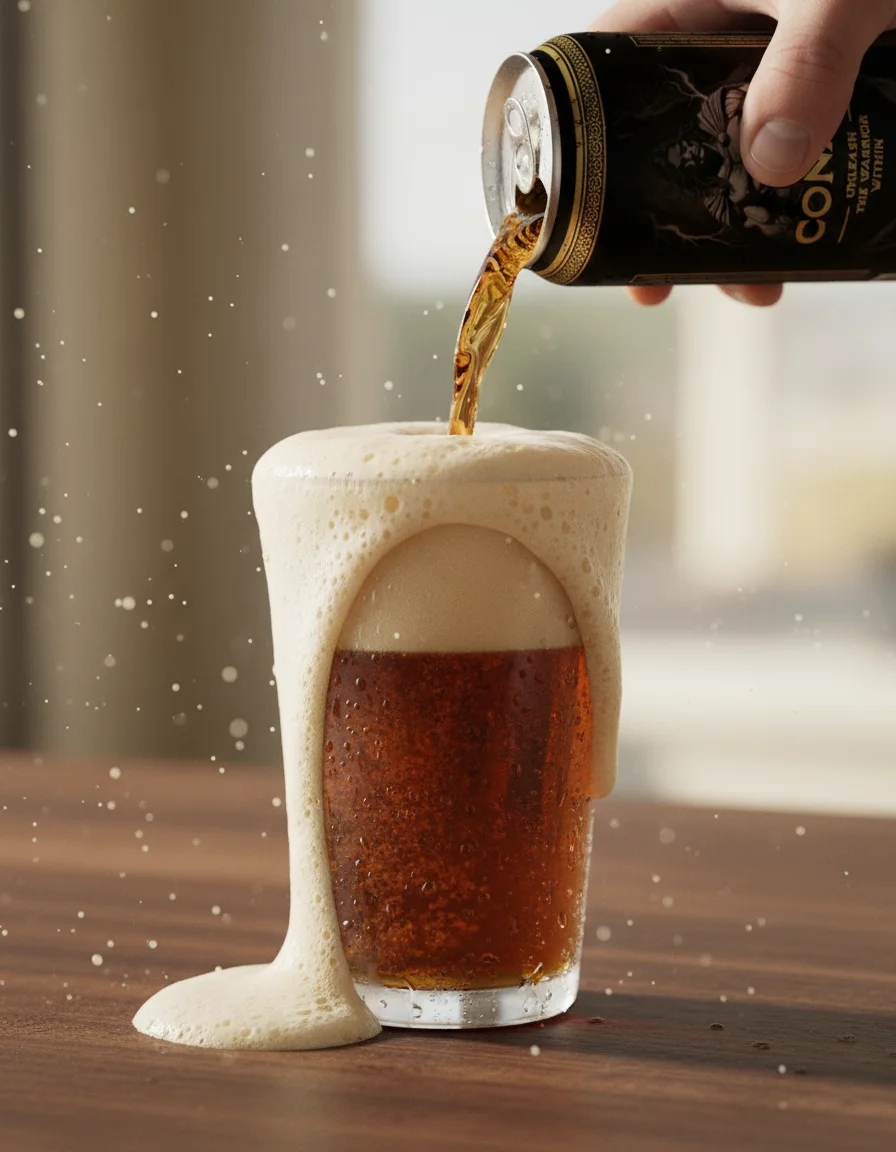
This is one of those rules nobody remembers creating, yet everyone follows.
Beer should be drunk cold.
Beer should be drunk plain.
Beer should not be mixed with anything unless you want judgement.
But here’s the problem.
History didn’t sign this agreement.
Beer has been mixed, flavoured, diluted, fermented again, spiced, sweetened, and occasionally completely misunderstood for thousands of years. The idea that beer is fragile or untouchable is actually one of the newest ideas in beer culture.
So when someone today experiments with beer cocktails and gets side-eyed for it, that’s not tradition speaking. That’s a habit pretending to be tradition.
Beer Was Never “Sacred”, It Was Practical.
Long before beer became a lifestyle choice, it was survival.
In ancient Mesopotamia, Egypt, and later medieval Europe, beer was safer than water. It was food, it was medicine and it was daily life. Nobody was swirling it and discussing notes of citrus peel.
Beer was brewed with whatever available like herbs, roots, spices, honey and fruit. Sometimes because of all these, it tasted better and it preserved the brew longer. Sometimes because of all these ingredients someone genuinely thought it would cure something.
And honestly, sometimes it probably did.
So no, beer wasn’t protected by rules, it was shaped by necessity which automatically made it experimental.
Before Craft Beer Bros, There Were Medieval Beer Experiments
If medieval brewers saw today’s beer purists, they’d be confused.
Before hops became standard, beer relied on fruit, a mix of herbs and spices. The flavour changed region to region, batch to batch.
Consistency wasn’t the goal. Drinkability was.
People mixed beer with wine, with spices, with citrus, with honey or with whatever made it better.
So when someone today says beer cocktails are ruining beer, it’s worth remembering that beer spent most of its life being happily ruined and reinvented.
Beer Cocktails Are Older Than Cocktails (Yes, Really)
Another uncomfortable fact for cocktail purists.
Beer cocktails existed before many classic spirit cocktails. Early punches often included beer because it added body, bitterness, and lift. Citrus and sugar balanced it out.
Even today’s beloved shandy and radler are beer cocktails. They just escaped judgement because they feel harmless and familiar.
Funny how naming decides what’s acceptable.
Call it shandy, and it’s refreshing.
Call it a beer cocktail, and suddenly everyone’s a historian.
Where Beer Mixing Went Horribly, Tragically Wrong
Now let’s acknowledge the trauma.
Yes, beer cocktails earned a bad reputation. Not because the idea was flawed, but because the execution was reckless.
Somewhere along the way, mixing beer became less about flavour and more about efficiency. Shots dropped into full pints, names designed to shock and zero balance which leads to maximum regret.
That’s not experimentation.
That’s chaos with confidence.
And confidence without understanding is how beer cocktails became the villain of the story.
The One Rule Everyone Breaks (And Shouldn’t)
If there is one rule that saves beer cocktails, it’s this:
Beer should never be the dominant ingredient.
A full pint drowns everything else, the carbonation flattens flavors, the bitterness overwhelms nuance and the drink becomes either sweet, strong, or confusing.
Smaller quantities of beer allow:
- Citrus to stay bright
- Sweetness to stay controlled
- Spirits to remain expressive
- Bitterness to act like structure, not noise
This is where beer stops being a container and starts being an ingredient.
Why Beer Is Actually a Brilliant Cocktail Ingredient
Beer brings things spirits can’t do alone.
- It adds natural carbonation without soda.
- It adds bitterness without needing bitters.
- It adds body without heaviness.
- It adds aroma from hops, yeast, and grain.
Used correctly, beer doesn’t compete. It connects.
This is why quality matters. A poorly balanced beer forces you to fix problems and a good beer lets you explore possibilities.
That’s where beers like Conan Beer quietly shine. When a beer is clean, expressive, and balanced, it adapts. It doesn’t need hiding, it collaborates.
Beer Cocktail Recipes That Sound Wrong but Work Suspiciously Well
Let’s talk about recipes. Real ones and not Instagram stunts.
The Old-World Citrus Shandy (But Make It Smarter)
Inspired by 19th-century European beer punches.
Ingredients
- 90 ml beer
- 30 ml fresh orange juice
- 10 ml lemon juice
- 10 ml sugar syrup
Why it works
Citrus sharpens hops, sugar rounds bitterness and beer lifts the drink instead of flattening it. This is refreshing without being childish.
Ginger, Lime & Controlled Chaos
Ingredients
- 100 ml beer
- 20 ml ginger syrup
- 10 ml lime juice
Why it works
Ginger highlights bitterness, lime keeps it sharp, and beer keeps it light. This is the drink you underestimate and then remake immediately.
Beer Memes Were Always Inevitable
Modern beer culture lives half in glasses, half in memes.
Everyone has seen:
- “Beer is just adult juice”
- “One beer won’t hurt” (it always lies)
- “Craft beer guy explaining hops again”
Beer cocktails sit perfectly inside this chaos. They annoy purists, excite curious drinkers, and confuse people who just wanted a pint.
That confusion is part of the fun
Craft Beer People Aren’t Anti-Fun, They’re Anti-Disappointment
Most craft beer lovers aren’t against experimentation. They’re against bad ideas executed confidently. They’ve tasted disasters, flat mixes, and over-sweet messes. Drinks that tasted like regret.
So yes, they’re cautious. Fair.
But when beer cocktails are treated like real cocktails, with proportion and intention, the beer doesn’t disappear. It evolve
Why Beer Cocktails Are Quietly Coming Back
People are tired of extremes.
- Over-boozy drinks feel exhausting.
- Over-complicated cocktails feel like homework.
- Straight beer sometimes feels predictable.
Beer cocktails live in the middle, curious but chill, playful but not chaotic and interesting without demanding expertise.
They fit modern drinking moods better than most people realise.
So… Should You Mix Beer or Not?
Here’s the honest answer.
Sometimes yes.
Sometimes no.
Beer cocktails aren’t replacements. They’re options, a mood or a moment where curiosity wins over rules.
Beer has always belonged to curiosity more than tradition anyway.
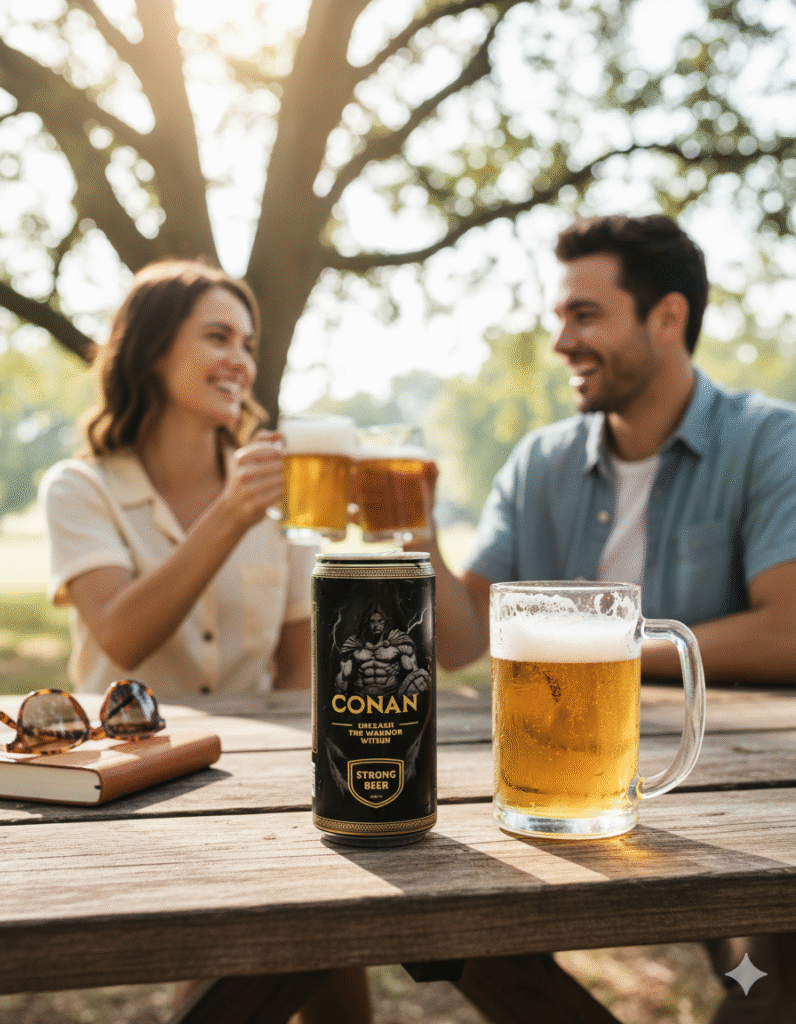
A Brand That Makes Experimentation Feel Safe
When a beer is already balanced, experimentation doesn’t feel risky. You’re not fixing flaws, you’re exploring.
That’s why brands that value restraint and clarity adapt so well to modern drinking habits. They don’t shout, they cooperate.
If you’ve ever scrolled through the Conan Beer Instagram page, you’ll notice the same energy. Unforced, curious, and slightly playful. Never trying too hard.
It’s the kind of presence that makes you want to explore, not because you were told to, but because you’re interested.
Final Sip: Curiosity Isn’t Disrespect
Mixing beer thoughtfully isn’t disrespecting tradition. It’s continuing.
Beer evolved because people experimented, or because someone asked “what if” instead of “why not”.
The problem was never beer cocktails.
The problem was bad execution and worse intentions.
When balance is respected and beer is treated as an equal, beer cocktails stop being controversial and start being genuinely fun.
And if this article made you curious enough to try, experiment, or even laugh at beer memes a little differently, it’s done its job.
If that curiosity follows you to scrolling through the Conan Beer Instagram feed later, even better. That’s where most experiments quietly begin anyway.
Beer culture doesn’t need to shout to be interesting.
Sometimes it just needs better questions.